Thursday, March 27, 2008

A Note on Evergreen Hospital

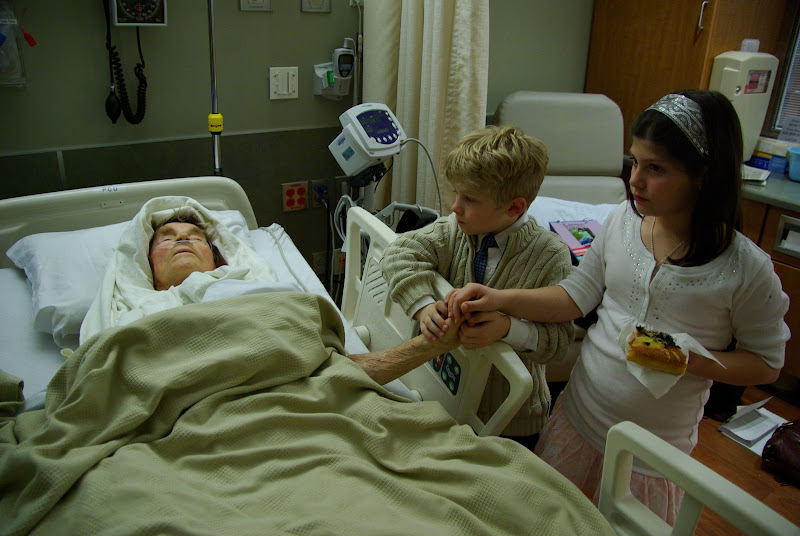
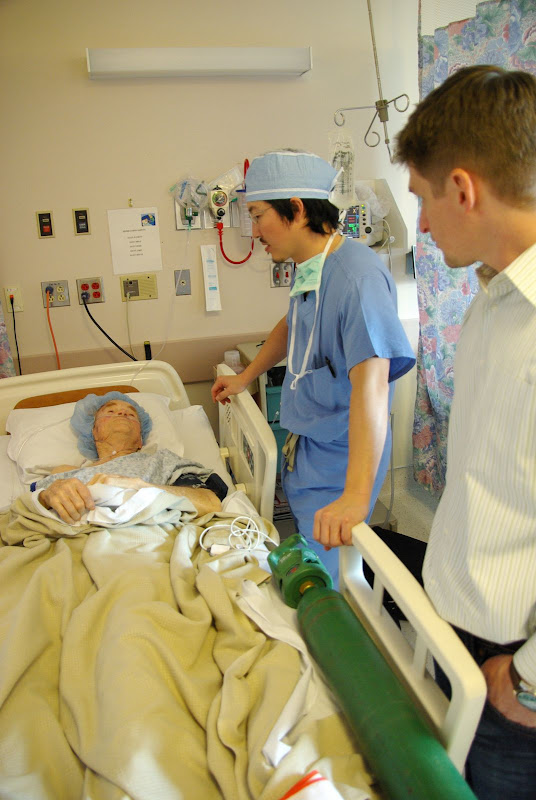
Although my grandfather's broken hip has been sad, scary and traumatic all at the same time, I have to say just a word about Evergreen Hospital. I've been in a lot of hospitals over the years, but I've never met one that has demonstrated as much a sense of customer service – or, rather, care and concern. The facilities there are astonishingly well thought-out. They've got a built-in cot in every room, and encourage family members to spend the night. The floors are hardwood, not linoleum. The doctors actually answer your questions, and several of them even ran quick errands for us. We tried to sneak my grandfather's dog into his room, only to have him joyfully greeted by the nurses. They've got not one but two espresso stands. The nurses teased and flirted with my grandfather, and came within seconds if he pressed the call button. Dr. Roh, my grandfather's surgeon, explained in a great deal of reassuring detail exactly what was going on with my grandfather's hip, and let us know that he'd be praying for him. It was an astonishing experience.

Of course, not everyone there was at the same level. Some of the staff were merely "OK", and one nurse ("Nurse Ratchett," we called her) was particularly unpleasant. She started off by chasing my brother's girlfriend out of the emergency room three times before she finally gave up and let her stay; and she followed it up by nearly wrestling my grandfather back onto his bed when he tried to help them get his shirt off by leaning forward. But she was an exception, and even though she was fully competent, her lack of customer service stood out like a sore thumb relative to nearly everyone else we encountered.

I don't recommend breaking your hip. But if you do, I recommend Evergreen Hospital.

My Grandfather

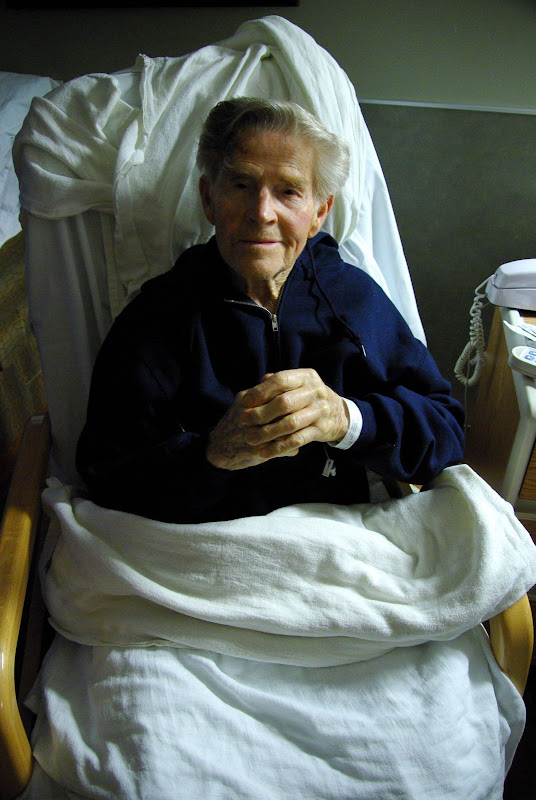
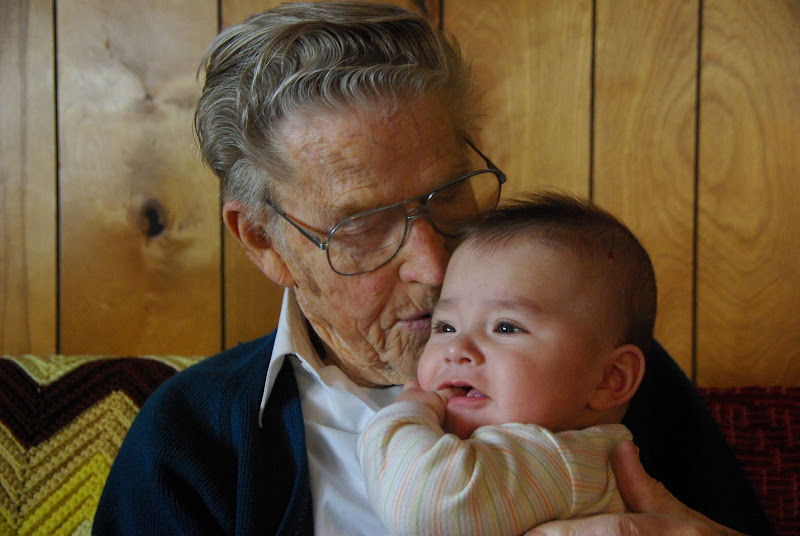
A little less than two months ago, my 95-year old grandfather lost his wife, his beloved companion of 75 years. He's continued to live independently, and family has been stopping by to see him regularly, but it's still tough for him, and I know that he's been very lonely. So Galena and I invited him up from Southern Oregon for a week or so to visit, and to have Easter dinner with family up here in Seattle. He flew in last Tuesday, and I picked him up at the airport. He was excited to see us, excited to be on his first trip in some years, and happy that someone still wanted him.

The next day, Wednesday evening, as he was going to bed, he slipped and fell down our staircase. I heard the thuds from the next room, and ran to find him lying unconscious on our hardwood floor, bleeding from a large bump on his head. I called 911. He recovered consciousness in a couple minutes, and immediately began complaining of a pain to his hip. Several hours later, in the Evergreen Hospital emergency room, an x-ray confirmed that he had broken his hip.

He had surgery the next day. Dr. Roh, a Korean Christian and, by all accounts, an excellent surgeon, repaired his hip successfully.

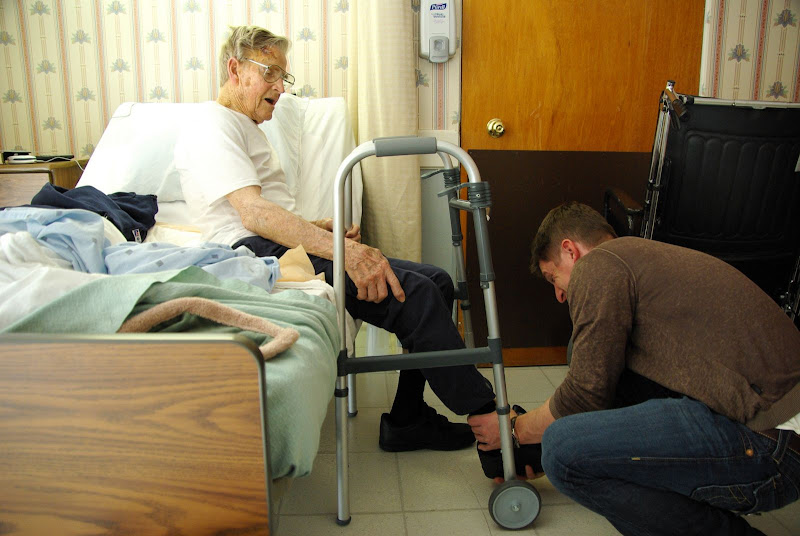
They've changed their approach to broken hips dramatically over the last decade or so, and the standard approach these days is to get the patient back on his feet as quickly as possible. By my count, they had him walking about 14 hours after the surgery. He was pretty sore, and fairly unsteady, but he was walking, which is more than we had expected.

On Monday, we transferred him to a rehab center. Figuring out where he should go, and getting him there, was a fairly complicated process. I checked out all the nursing homes in the area on the Medicare "Nursing Home Compare" website, talked to half a dozen people, waffled back and forth several times, and finally selected three of the more likely rehab facilities to visit. Unfortunately, neither our first nor our second choice would take my grandfather's insurance. A word to the wise: don't ever go with an insurance plan which has bought out your "Medicare Part A" coverage. From what I can tell, the typical way they intend to be more efficient than Medicare is by throwing huge bureaucratic obstacles in the way of your accessing any of the benefits that you're entitled to. A number of nursing homes have understandably gotten tired of the run-around, and hence refuse to accept this style of insurance. It was pretty frustrating.

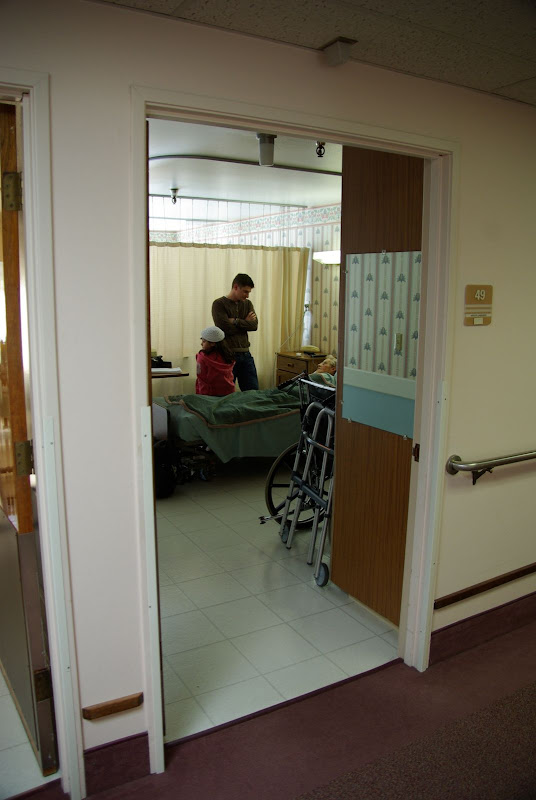
We finally managed to place him in Cascade Vista, a nursing home/rehab facility in Redmond, about halfway between home and office. Cascade Vista is a decent place, all things considered, but it's nevertheless been difficult for my grandfather. The quality of the staff is uneven: some of them are amazingly good and caring, some of them gruff or even rude. They had zero deficiencies in their last quality survey, which is pretty good: I checked the "skilled nursing facilities" in Grants Pass, my home town, and many were in the double-digits on that particular metric. But it's still hard for an old, blind, lame dude who has lived independently for 95 years, and on the same property for the last 60, to adjust to being stuck in bed, in a strange institution, with people who, at their best, still don't take the same care with him that his family does.

So we finally decided today that we were going to "break him out", as Keith put it. My Dad is back up, and tomorrow we'll be moving him into Keith's house. (Galena and I offered ours, but we don't have a level first floor, and the only baths and showers are on the second floor: it'll be a while before we let Grandpa navigate stairs again.) We've found a home healthcare service, and will be bringing in a physical and occupational therapist to help him regain his strength and, hopefully, his independence. I don't know that he'll ever be able to live fully independent again, and I'm pretty sure he won't be taking the stairs anytime soon. It's sad to see my grandfather, a strong, healthy, intelligent man, decline like this. But I think he still has some years in him, and hopefully he'll at least improve from where he's at now.

More pictures here.

Thursday, March 13, 2008

Thoughts on the West Bank

A week and a half ago, I spent two days in the West Bank, visiting Bethlehem, Jericho and Hebron. After some hesitation, I've decided to write up some of my thoughts and observations about what I observed. It's a complex situation, and after having done a fair bit of reading on the topic, I'm well aware that any attempt to make sense of the more than 60 years of bloodshed between the Israelis and the Palestinians – the Jews and the Arabs – will fail to do the situation justice. But I thought I'd add some opinions to the mix. Please take them as my limited attempt to understand a complex situation, not as the final word on any of the issues I touch on.

My Starting Point

I'm a friend of Israel. I get chills down my spine when I think about how Israel has managed to survive in the face of so many well-armed enemies. Its struggle for independence, and its war against the six Arab armies which attacked on the first day of its existence; and its stunning victory in the Six Day War; and the astonishing way in which it snatched victory from the jaws of defeat in the Yom Kippur War; in each of these stories, my emotional loyalties lie entirely on the side of Israel. My visits to Israel over the last two years have given me a great deal of respect for what Israel has managed to create, and to become.

The Settlements

I'm convinced that Israel's decision to build settlements in the West Bank is the single worst strategic blunder that Israel has made since 1948.

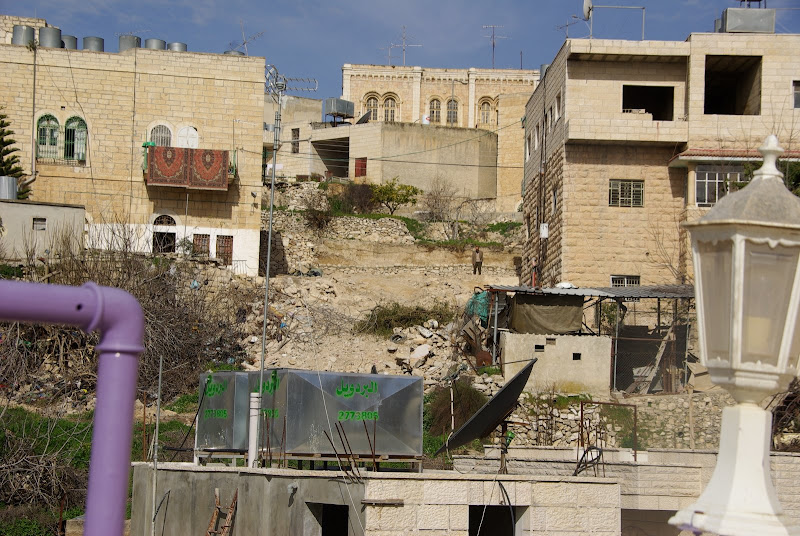
In the wake of the Six Day War in 1967, like a dog who couldn't figure out what to do with the car it had finally caught, Israel was at a loss with the territories it had just captured. Israel eventually annexed the culturally significant East Jerusalem and the strategically significant Golan Heights, but it couldn't do so for the West Bank or the Gaza strip, as it would have required granting civil rights to their populace. Nor could it find an acceptable formula by which to return them, respectively, to Jordon and Egypt; or alternatively to grant them independence and self-rule. (Some, though not all of this, was the Palestinians' fault, who "never lost an opportunity to lose an opportunity.") Lacking a long-term strategy, Israel at first reluctantly allowed, and eventually encouraged, the construction of settlements in the territory it had captured. In the face of numerous UN Security Council resolutions, both Labor and Likud governments adopted this policy. It kept the far right reasonably happy, and it solved numerous short-term political problems for the succession of prime ministers.

Unfortunately, this policy has also created a long-term strategic nightmare for Israel. Now that hundreds of thousands of Israelis live in territory that is (quite reasonably) claimed by the Palestinians, Israel has no good alternatives available. It can't annex the territories, as the influx of Arab voters would quickly turn Israeli Jews into a minority. It can't give the Palestinians all the territory they rightly deserve, as there are now Israelis living on much of it. And it can't adopt a peaceful, two-state solution, as the Palestinians won't sign a peace deal until they get their land back.

Yes, yes, it's more complicated than this, I know. In 2000, Ehud Barak courageously offered to give the Palestinians nearly all of their land back – with some significant caveats – and Arafat stupidly turned him down. But Arafat was an idiot, and while Mahmoud Abbas is a weak leader of a corrupt government, I don't think he's an idiot. There's a small chance that Israel could reach a peace deal with him. And so long as Israel continues to build more settlements, they're making any conceivable peace deal more complicated, painful and unlikely. I understand why the Palestinians stew each time they see another hilltop settlement erected. What I don't understand is why the Israeli government keeps allowing it. Even from the perspective of Israel's own self-interest, it's an astonishingly bone-headed move.

The Occupation

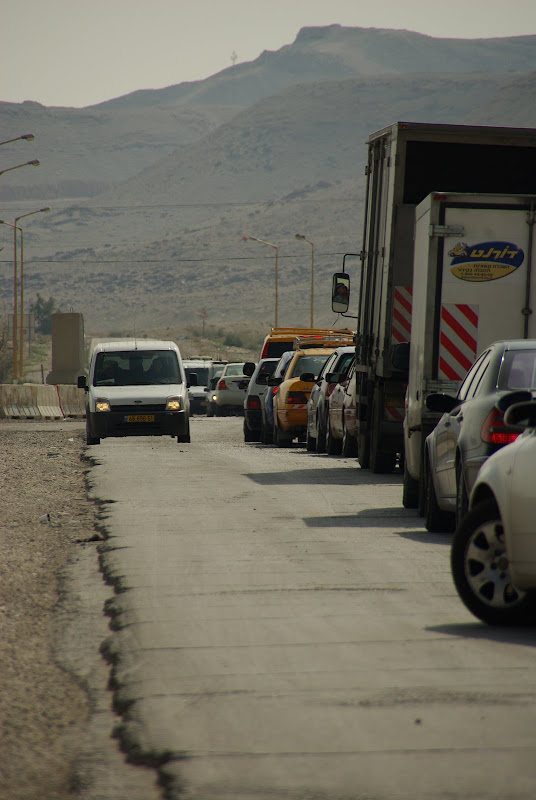
As a result of two Intifadas, and more than a hundred suicide bombings, Israel has cracked down hard on life in the West Bank. Having visited there even briefly, I can understand the frustration that the Palestinians feel with the Israeli occupation. They have little control over their destinies, their livelihoods, their travel, indeed, even when and where they can find gasoline for their cars. Israeli roadblocks and checkpoints are everywhere, and a trip that should take minutes can turn into an hours-long lesson in patience and submission if an 18-year old Israeli soldier is in a bad mood. (And what soldier, or indeed, what 18-year old isn't?)

The IDF is a highly disciplined and effective force, but they are rarely gentle or subtle. Less than a month ago, my guide's home was taken over by a squad of Israeli soldiers intent on capturing a militant living in a nearby house. My guide and his terrified family were locked into a cold room for seven hours while a firefight raged on their roof. The Israeli soldiers caused several thousand dollars of unreimbursed damage to my guide's home. And after the militant had been captured, Israeli bulldozers destroyed the small apartment building where his family (and three others) had lived.

Last Thursday, the IDF captured another militant nearby, and destroyed another four-family dwelling. Destroying property, even a family home, is of course at a different moral level than intentionally killing innocent civilians. But as G. K. Chesterton said long ago, "To have the right to do something is not the same as to be right in doing it."

The Wall

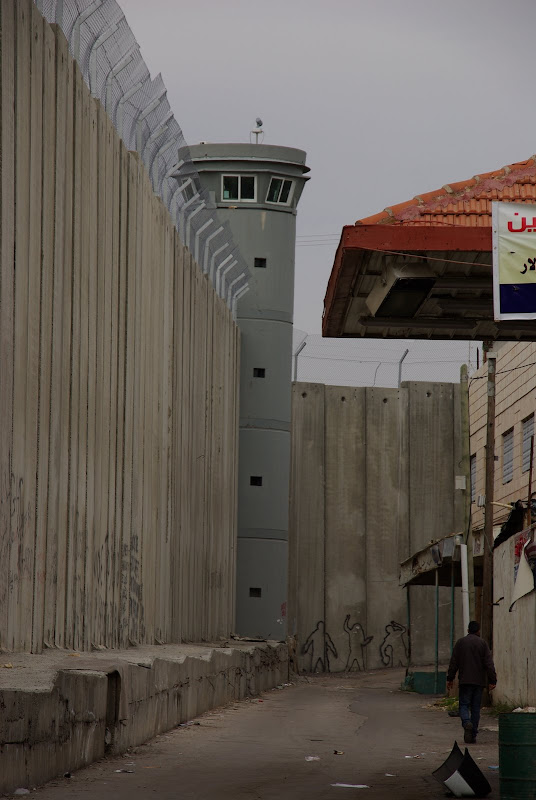
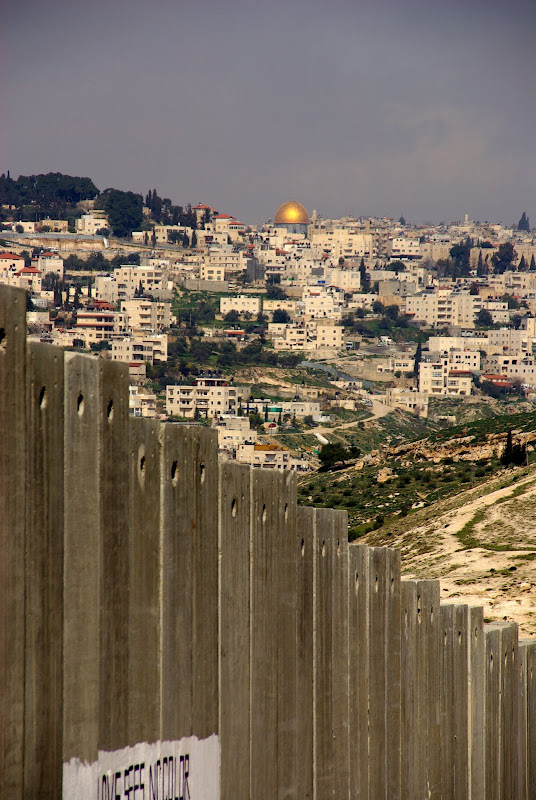
As most folks know, Israel is building a wall (sometimes termed a "fence") between the West Bank and the vast bulk of Israeli citizens. I phrased that sentence carefully: the Wall (it deserves the capital letter) is not so much between Palestine and Israel, but rather, between Palestinians and Israelis, wherever they're located.

Having now visited the West Bank, I have a slightly different perspective on the Wall than I used to. I fully support Israel's right to protect itself from suicide bombers, and a wall is a reasonable, if not an entirely gentle way of accomplishing that goal. But the way that the Wall is actually being built is unnecessarily and foolishly harsh – and indeed, gives some real degree of credence to Palestinian claims that the purpose of the Wall is less to protect Israeli citizens and more to establish a de facto, unilateral border.

And like most decisions made unilaterally, it seems to be entirely one-sided, in Israel's favor. I saw numerous examples of Palestinian farmers clearly cut off from their land, and for no purpose. The Wall could easily have followed a route which allowed the farmers to continue accessing their territory, while fully providing for Israeli security. When you look at situations like that, the Palestinian side becomes a bit more believable. In nearly every instance I saw, the Wall established maximalist Israeli claims, far exceeding Israel's 1967 borders, and dramatically impeding daily life for Palestinians.

The Palestinian People

I confess that I find the Palestinians to be a mystery. Every Arab I met in my visit, whether on the Israeli or the Palestinian side of the line, was unfailingly kind, generous, and friendly. Arabs are famous for their hospitality, and I saw much to confirm and nothing to contradict this.

At the same time, I believe that the Palestinian public has badly failed the difficult moral test to which they have been subjected. One of the many ways that the Palestinians have contributed to the untenable situation in which they now find themselves is by allowing, encouraging, and even celebrating the intentional murder of innocent Israeli citizens. Their cities are filled with posters celebrating suicide bombers. I was astonished to hear even Christian Palestinians refer to suicide bombers as "martyrs". I was unable to discern any sympathy for Israeli citizens killed in terrorist attacks. Conversely, nearly all of my Israeli friends express remorse for Palestinian casualties, even if they're unable to understand the Palestinians' frustration.

In particular it was sad to me how even the Palestinian Christians I met were unable to see any part of the Israeli side. Over my two days there, I had some reasonably frank conversations with my guide about the situation. Some of his opinions surprised me: for instance, he has no desire for a two-state solution, detests both Fatah and Hamas, and really wants to go back to being occupied by Israel (in the way the occupation was conducted prior to the first Intifada). But some of his opinions surprised me in the other direction. He had no recognition that the reason life was so difficult for the Palestinians was because of the suicide bombings. His perception of the situation was entirely on the other side. During my visit, we heard that 35 Gazans (about half of them civilians) had been killed in an Israeli air strike. My guide was furious, and said, "Can you blame them for launching rockets?" The fact that Israel wouldn't have been launching these attacks against Hamas militants if Hamas hadn't been firing rockets into civilians' homes entirely failed to register with him. You can argue that Israel's response was disproportionate – but you can't argue that Israel wasn't sorely provoked. (If Mexico had been launching rockets into San Diego, you can bet that we'd respond, and with fairly good justification.) And whether Israel's air strikes fall into the category of "just war" or not (I think you can make a reasonable case either way), there's clearly a moral distinction between trying to kill civilians, on the one hand; and trying to kill militants, and accidentally killing civilians, on the other.

The Rockets

Along these lines, it's hard to miss the recent escalation in violence between the Israelis and the Palestinians. Most of it is in the Gaza strip, along the Mediterranean, where, the historically minded might note, the Philistines used to live. The radical groups in Gaza have been launching homemade Qassam rockets at small Israeli towns near the Gaza border for several years now; but they've recently managed to acquire some Iranian-made Katyusha rockets that have a longer range, and they've been launching these at Ashkelon (one of the old Philistine cities, but now a major Israeli urban center).

One of many interesting things about this is that I have several Israeli friends who live in Ashkelon and commute to work in Tel Aviv, and I know many others who have family and relatives there. I met one friend on her way into work, and she said, "Well, a Katyusha rocket landed next to my house this morning as I was leaving." Nobody was hurt (in that particular attack), but it's still odd having friends who can only get to work through a hail of rockets. It certainly makes the traffic on my commute from Woodinville to Bellevue a bit less distressing.

Two Wars

The best explanation I've heard about what's going on there is what an Israeli friend mentioned the other day. He said, "There are two wars that are being fought here, not one. The first is a war for Palestinian independence, which the Palestinians deserve to win. The second is a war to kill all the Jews, which Israel deserves to win." The problem, of course, and what keeps defeating all attempts to make peace, is that the two wars are easily confused, even by folks who think they're only fighting one of them. Most Palestinians – not all – think they're fighting the first war; most Israelis – not all – believe they're fighting the second. When Israel cracks down on security in the West Bank, they're doing it (in theory) because of War #2. But the Palestinians see it as a clear attempt to win War #1, which makes even good Palestinians sympathetic to the evil people fighting War #2; and in turn, that makes Israelis believe that all Palestinians are really fighting War #2; and so they take even harsher security measures – and it turns into a slippery slope, a vicious cycle of violence.

Blessed are the Peacemakers

On my one visit to the Mount of Beatitudes, several years ago, my friend and I stepped out of our car, and began walking through the beautiful, relaxing grounds of the church built on the site where Jesus is believed to have delivered the Sermon on the Mount. We were barely onto the grounds when we were chased off by an angry nun waving a broom. She may or may not have believed that the meek would inherit the earth, but she certainly believed they needed to defend their piece of it.

I've been reminded recently of that poor nun's ham-handed attempt to live out the third beatitude. I doubt my attempt to live out the seventh ("Blessed are the peacemakers") was much more successful. My attempts at dialog seemed much more likely to spark arguments than to resolve them. I realized just how little I actually know about the situation, or what life is like for people who have had to live with it all their lives. Any gesture or position that went much beyond, "I sympathize with your situation, and would like to help, if I can" is bound to be clumsy at best.

And this blog posting is no exception. I'm aware I've over-simplified exceedingly complex issues, and have ignored strong arguments from both sides. But I wanted to get something of my opinion out there, if only because not enough Americans ever get the chance to see both sides, on the ground.

Thursday, February 28, 2008

The West Bank

I've been in Tel Aviv for the last week and a half, and tomorrow I'm heading into the West Bank for the first time. This is, I think, my sixth or seventh visit to Israel, and I've toured most of the holy sites tourists normally visit: Jerusalem, of course, but also Nazareth, the Sea of Galilee, Capernaum, Yardenit, Jaffa, and many others. But I've been hesitant to head into the West Bank – for obvious reasons. I've decided to try it this time, though. If you haven't been to Israel, it's hard to make people believe that it doesn't feel like CNN makes it look. Here in Tel Aviv, the only sign of any tension is the security guards outside every restaurant, and the sign in Rabin Square (the plaza next door to our apartment) that reads, "תושבי תל-אביבת לתושבי שדרות: אנחנו עתכם" ("Citizens of Tel Aviv, to the citizens of Sderot: We are with you.") On the whole, Tel Aviv feels like any Mediterranean city: sunny, lots of cafes, great restaurants, a surprising excess of baby strollers. I feel safer in Tel Aviv, walking the half-mile from the office to the apartment at midnight, by myself, than I would feel in Seattle. You see single women walking alone after dark all the time: the city just feels safe.

But it's a different matter in the West Bank. I'm meeting Samuel Akleh, a Palestinian Christian, in Bethlehem at 8:30 tomorrow. Three weeks ago, his family's home was taken over by Israeli soldiers for seven hours, for use as a base of fire on the house next door – Samuel's brother tells the story here, here and here. When I tell my Israeli friends that I'm heading into Bethlehem, the typical response is something like, "You're kidding", or, "Please don't go there." For some years now, Israeli citizens haven't been allowed into most of the Western Bank, as it's generally too dangerous and provocative. It's somewhat different for US citizens, I believe, as they represent an important source of tourist dollars, but I suspect that the US is only slightly less popular than Israel.

Still, I'm looking forward to the visit. Bethlehem is arguably second in importance to Christians only after Jerusalem. I've been rereading the nativity stories (in Greek) to prepare myself. I'll try to write more from the hotel tomorrow night, but in the meantime, I have to get to bed, as I'll be getting up early.

Sunday, February 10, 2008

Eulogy

This is the eulogy that I read at my grandmother's funeral yesterday.

Epitaph

In the days since my grandmother died, I've been meditating on a poem by C. S. Lewis, written after the death of his wife, and now carved on her gravestone in Oxford, England. C. S. Lewis writes,

Here the whole world (stars, water, air
Reflected in a single mind)
Like cast-off clothes was left behind
In ashes, yet with hope that she
Re-born from holy poverty,
In Lenten lands, hereafter may,
Resume them on her easter day.

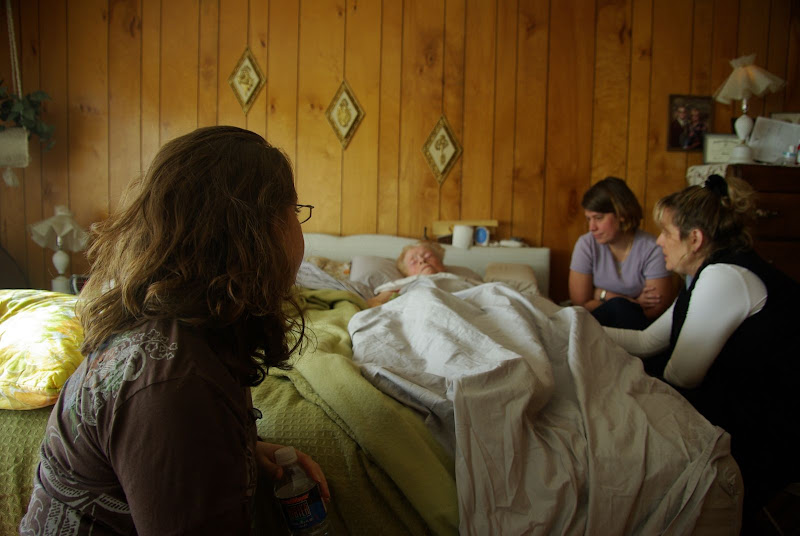
Early in the morning of February 4th, Ruby Helen Lucille Smith left behind, like cast-off clothes, the mortal body she had carried with grace since 1917. The husband with whom she had shared a bed and a life for 72 years was with her, and held her hand, and felt the Holy Spirit fill the room even as her own spirit departed. Several hours later, as our family gathered around her deathbed to say one last good-bye, my mind was flooded with the memories of how that mortal body had served her over those years, and how she had used that body to serve others. So many meals: so many wounds bandaged, tears dried, cookies baked, diapers changed, grandchildren hugged, emails sent and demanded. How one quiet woman could represent so much activity and goodness is one of the mysteries of love.

We are gathered here today to celebrate the life, mourn the death, and rejoice in the homecoming of an extraordinary woman. Whether we knew her as friend, aunt, grandmother, mother or loving wife, I can think of no better way to honor her than to take a few moments to look through her eyes, to see the whole world as it was reflected in the single mind of Ruby Smith.

Her Friends
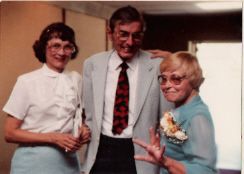
Deep and lasting friendships formed a constant background to my grandmother's world. Ruby Smith did not establish temporary relationships, or make friends out of convenience. The friends she made when she worked at Harry and David's in the 1940's, or when she attended Ashland Christian Center in the 1950's, or when she worked at the orthopedic clinic in the 60's and 70's, remained her friends for life. The number of these friendships necessarily diminished over the years, as she and Elmer remained healthy and vigorous, while more and more of their friends passed on. But as anyone who was a recipient of her emails can testify, her days, and Elmer's, were passed in frequent communication with old friends, visiting those who had grown sick, and helping those no longer able to fend for themselves. I do not believe that any friend of Ruby's could ever have complained of neglect or inattention; and a great many people in Ruby's world had cause to be thankful for her consistent hospitality and quiet kindness.

Her Twins
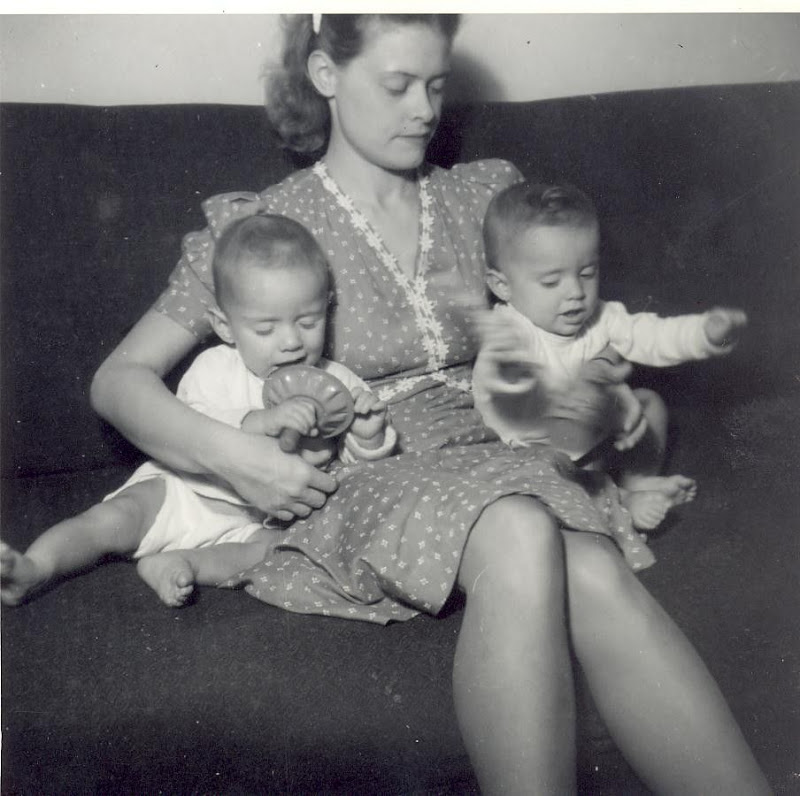
My grandmother's world revolved around her family. When my grandfather rushed her to the hospital on a warm July day in 1940, the two of them had little idea what was in store. The labor drugs knocked her out, and when she awoke, the nurse asked, "Did you know that you had twins?" Still groggy, Ruby responded, "I didn't know I had any."

Ruby assumed her new role as the mother of twin boys with gusto. For the next 18 years, she cooked, cleaned, mended, kissed, coddled, scolded, and chased her boys into adulthood. In 1957, my famously frugal grandparents splurged on a brand-new '57 Chevy for their two sons, and this was typical: they rarely bought anything for themselves, but nothing was too good for their boys.

Her Family
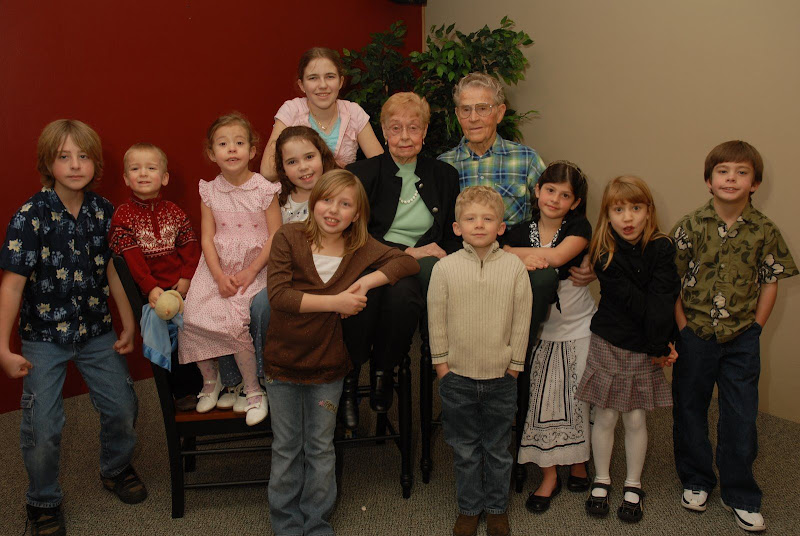
When Larry and Lloyd left home, married and had families of their own, Ruby found her world expanding once again. As the decades passed, through marriages, births, adoptions and virtual adoptions, she found herself the matriarch of a substantial and growing tribe. And again, although they rarely bought anything for themselves, they helped their grandchildren in any way that they could. Numerous house down payments, new cars, new computers, or college tuition payments had their origin in the bank account of a retired couple who never made more than $8 / hour.

Her Email
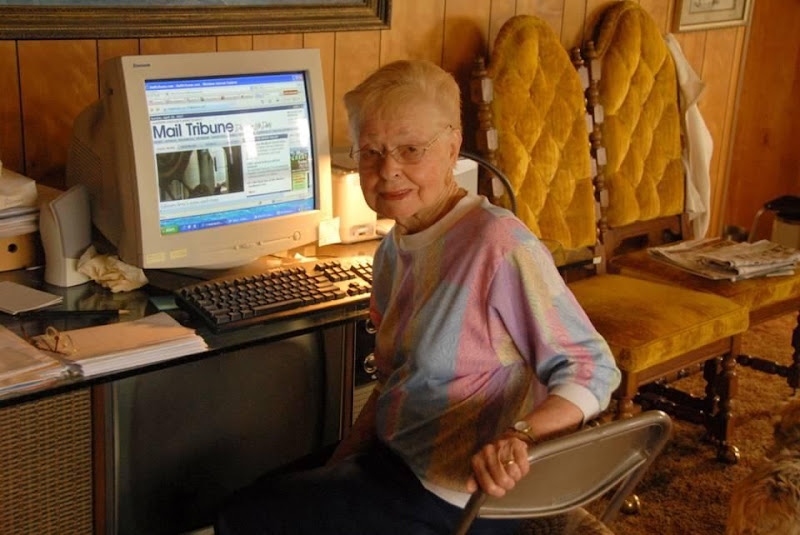
As the years passed, keeping the scattered and sundry members of her family connected became a substantial challenge. But many decades ago, she had instituted a tradition of regular letters to all and sundry, a tradition which she maintained until her 91st birthday. They started as hand-written letters, copied at the local post office, and sent out manually. About 15 years ago, we bought her an electric typewriter; her letters were perhaps longer after that, and of course typewritten, but otherwise unchanged.

It was probably 10 years ago that we pitched in and bought her first computer. She was horrified at the thought, and even called Larry in a panic: "They've bought me a computer, and they're bringing it over, and I need you to make them stop!" Nevertheless, we set it up for her, and walked her through turning it on. We showed her how to point and click with a mouse, showed her how to use a word processor, and how to access the Internet with a browser. She remained unimpressed.

Then we showed her email.

We had no idea we were about to create a monster. We should have known by the way her breath quickened when she saw us adding email addresses to the "To:" line. She watched us change fonts, and then email backgrounds, her eyes narrowing. She sat down. We showed her how easy it was to reply to her emails, and how easily she could reply to ours. The look on her face grew sharp, and hungry. She wanted this.

The monster was born.

Ten years, three computers, two printers, and many thousands of emails later, we learned that the monster must be fed. If Grandma didn't get twenty or thirty emails a day, she felt neglected. She forwarded emails like a fiend. She kept track of who had sent her emails recently and who hadn't. Woe betide the grandson who neglected to email his grandmother, for his neglect should be broadcast to the entire family, and then some.

As to the letters: they were just the daily life of a woman who had seen 90 summers in her lifetime, and 90 winters; who had watched three generations grow up in her house; who had cooked more meals than I know how to count and fed more hungry descendants than I care to; who watched the husband she loved dearly for 75 years grow old alongside her. It was just life; but it was life.

Her Husband
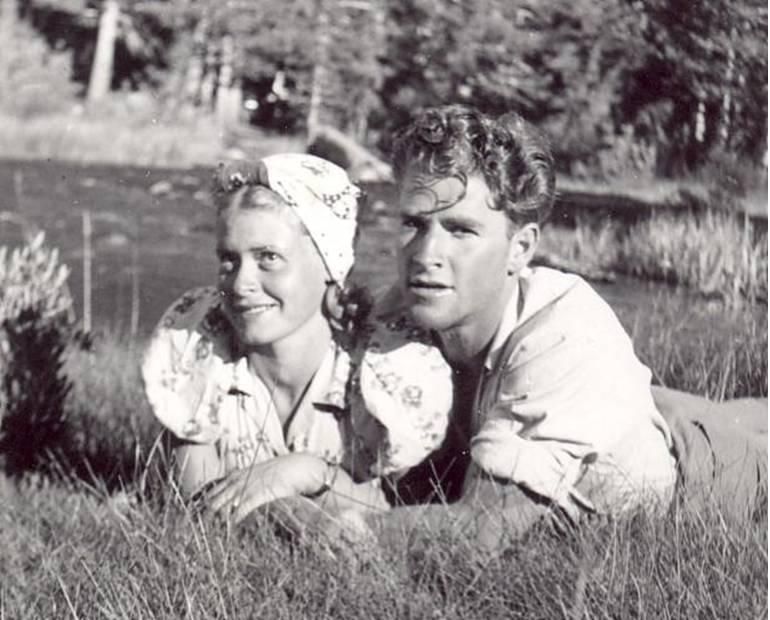
Ruby's world held nothing of greater worth than a skinny red-haired refugee from the Depression, fresh off the Salmon River, with an empty wallet and few prospects for filling it. Since their first walk home, and their first kiss under a Montana sky, Ruby had eyes for little else in this world. Most of you know that two weeks after she graduated from high school, Ruby and Elmer eloped – and that when they returned to Kalispell, they kept their marriage a secret for six months. It is the stuff of family legend that Ruby's father began to suspect something amiss only when Elmer began coming down from Ruby's bedroom for breakfast.

Ruby and her husband were inseparable. One story of many will suffice. Until this week, I believe that the last time my grandparents spent a night apart was twelve years ago, in 1996. I was moving up to Oregon from Southern California, and it seemed entirely natural to me to ask my blind 83-year old grandfather to come down and help me pack. We left Los Angeles late, after many delays, and my grandfather kept me company as I drove the moving van through the night. We arrived in Phoenix early the next morning, and were both exhausted as we drove up to their house, parked and climbed out. As the eldest grandchild, I had grown used to my grandmother rushing out of the house to hug me whenever I came to visit, so I wasn't surprised to see the door fly open and Ruby run down the driveway. But this time she ran right past me and practically leaped into her husband's waiting arms. Only after some minutes of fussing over him did she manage a quick hug for me; and then immediately returned to Elmer's arm, hardly to be shook off. An eldest grandchild was a poor substitute for the husband she had missed so badly.

These stories are typical of their relationship: they loved each other passionately, unreasonably, completely. The Great Depression, wars and rumors of wars, social revolutions and real ones, passed by in the outside world, leaving their love untouched. Children were born, then grandchildren, and great-grandchildren; even age itself began to take its toll, but the strength of their love was renewed like the eagle's.

Her Death
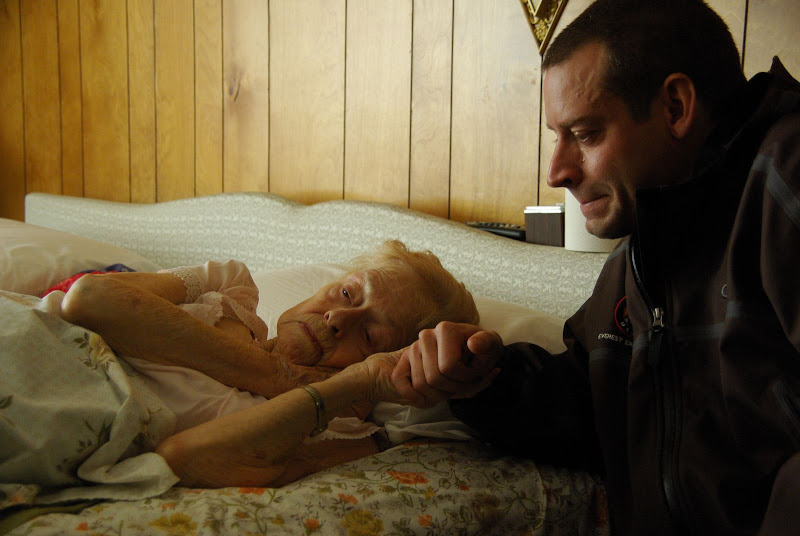
For the Christian, death will always have two faces. It is true – it is blessedly true – that we rejoice, because Ruby is now with her Lord; and so long as the Lord tarries, the beatific vision which Ruby is now experiencing can be achieved in no other way than by walking the lonely valley of death. But make no mistake: death is an enemy, and we fool ourselves if we think otherwise, or belittle its importance. If death is not important, neither is birth. Death rips us apart from the world which God made good, and in which God placed us.

And Ruby's death was in this respect no exception. My grandmother did not want to die. "I never expected this," I heard her say repeatedly during her final weeks. "This is so sudden." Until three weeks ago, she had not seen a doctor for six years, and had never so much as taken an antibiotic. Her perpetual good health made the sudden weakness that took her all the more alarming. She worried about her dumpy, her house, the sudden flood of guests. Ruby's world was full of friends, family, and a husband whom she loved dearly, and it was not a world that she wished to leave behind.

Even so, even as her weakness grew and her own death grew more imminent, my grandmother revealed a grace that we had always suspected, and a sense of humor that we had not. She kept us laughing through our tears as she retold old stories, and a few new ones. She harangued her eldest great-grandchild into getting his hair cut. She refused to put to rest the rumor that she had actually proposed to Elmer. She revealed the existence of a stash of coffee she had long kept secret from my grandfather.

When her husband was being stubborn about something, she turned to him, wagged her finger, and said, "In a few days, you'll be the boss, but for right now, it's still me!"

At one point, as her illness dragged on, and her family refused to budge from her bedside, she said, "I can just imagine the headline on my obituary: 'FINALLY'."

My grandmother's death came three weeks after her diagnosis, and it was a blessing; but after 91 years, it was too soon. She died as she lived: much loved, surrounded by family, and fussing just a little.

Her New World
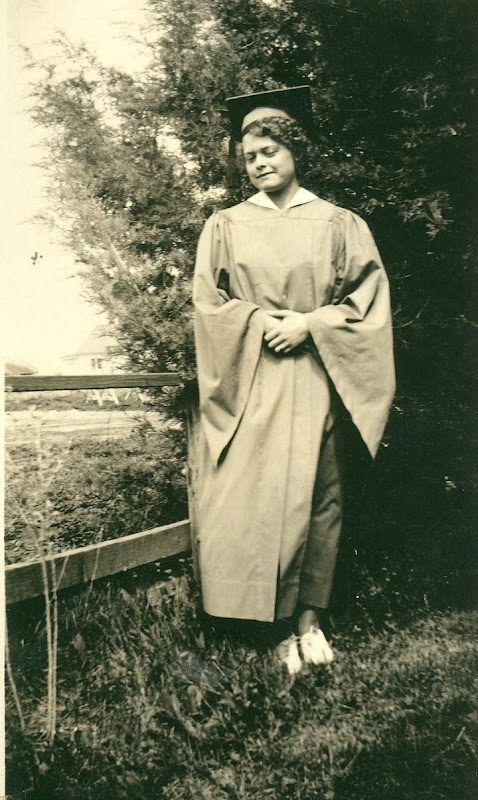
The whole world, as reflected in the single mind of Ruby Helen Lucille Smith, was as clear as daybreak, as simple as a stream, profound as the stars. If you had looked through her eyes, you would have seen a world as broad as a lifetime of friendship, as narrow and focused as her family, and as plain as the ten acres of earth on which she and her husband built a lifetime together. This is the world that Ruby Smith has cast off; but she cast it off in hope, with the faith that one day, when the world is made new, she will clothe herself with it anew: when this corruptible shall have put on incorruption, and this mortal shall have put on immortality.

In that reborn world, we know that God will wipe every tear from our eyes. But that world is not this world, and in this world, our tears are appropriate. So let us grieve for our loss; but Lord, do not let us grieve as those who have no hope. "For the Lord himself shall descend from heaven with a shout, with the voice of the archangel, and with the trump of God. And the dead in Christ shall rise first; and then, we who are alive and remain shall be caught up together with them in the clouds, to meet the Lord in the air; and so shall we ever be with the Lord. Therefore, comfort one another with these words."
Monday, February 4, 2008

To Be Absent from the Body

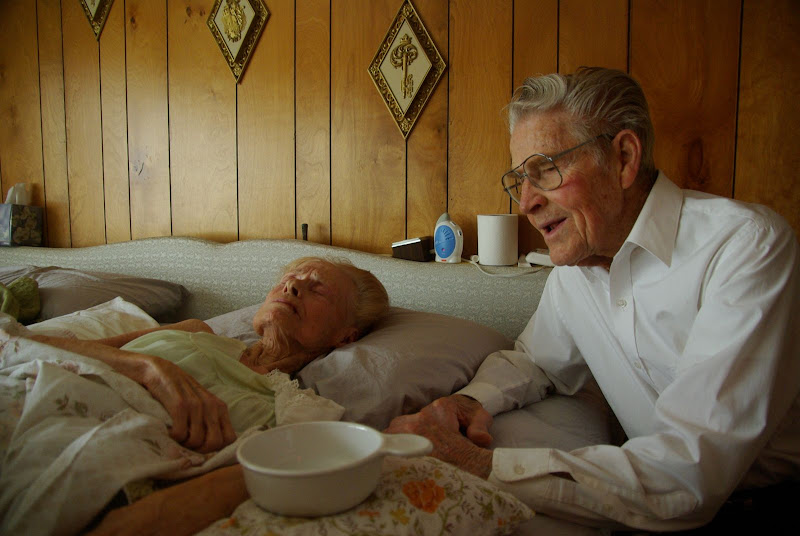
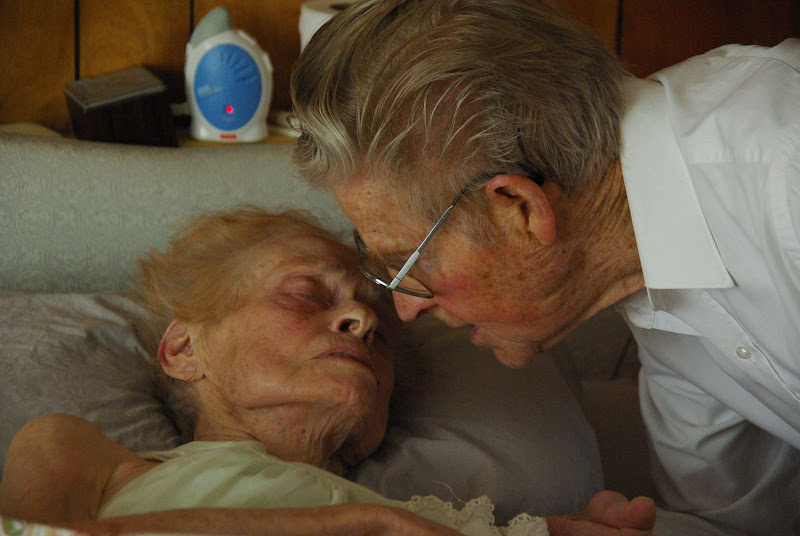
My grandmother breathed her last at 5:00 am this morning. Until yesterday she had stayed very sharp, and relatively free from pain. Yesterday morning the pain got very strong, and as my cousin Amber worked to stay ahead of it with substantial doses of morphine, my grandmother slipped into unconsciousness. By late last night, she was breathing very slowly, down to five or six breaths a minute. My grandfather was in the room with her, and heard her stop breathing. He called Amber, then laid down beside her on the bed, with Grandma's hand in one of his, and Amber's in the other. He had been cold all night, he said, but he immediately felt warm, with the presence of God filling the room. When I showed up several hours later, he had a smile on his face, and was clearly at peace. "She's gone, and our prayers are answered. She's in the presence of Jesus, and her pain is over."

All through this slow, painful process of watching my grandmother die, I've been reminded of G. M. Hopkins' amazing poem "Felix Randall the Farrier":

FELIX RANDAL the farrier, O he is dead then? my duty all ended, Who have watched his mould of man, big-boned and hardy-handsome Pining, pining, till time when reason rambled in it and some Fatal four disorders, fleshed there, all contended? Sickness broke him. Impatient he cursed at first, but mended Being anointed and all; though a heavenlier heart began some Months earlier, since I had our sweet reprieve and ransom Tendered to him. Ah well, God rest him all road ever he offended! This seeing the sick endears them to us, us too it endears. My tongue had taught thee comfort, touch had quenched thy tears, Thy tears that touched my heart, child, Felix, poor Felix Randal; How far from then forethought of, all thy more boisterous years, When thou at the random grim forge, powerful amidst peers, Didst fettle for the great grey drayhorse his bright and battering sandal!

Saturday, February 2, 2008

Still Sharp

Galena, Caedmon and I are down in Southern Oregon again, with my grandparents, and assorted other relatives. My Grandma is still hanging on: weak, but in a better mood than you could expect, and still witty – at least, as witty as you can expect from a 91-year old great grandmother dying of cancer.

When we first arrived, she was bragging about my Grandpa, her spouse of 72 years. She turned to me and said, "You know, he's the best husband I ever had."

She had a hard time last night, and when I arrived this morning, she said, "Every time it hurt, it made me think of you."

"I'm still the boss," she told my Grandfather today, shaking her finger. "In a couple of days you'll be the boss, but for right now, it's still me."

"I can imagine the headline on my obituary," she said. "FINALLY."

Sometimes the conversation has revealed things we hadn't previously been aware of. "You know, the Smiths didn't have a very good reputation in Kalispell," she said yesterday. "They were really poor, and they didn't always marry the right people. When I told my Dad that I planned to marry Grandpa, he said, 'Are you sure he'll treat you well?'" Grandpa was listening, holding her hand. "When you see him," he said carefully, "tell him that I did."

After a hard night, she's been sleeping most of the day. Her breath is a bit ragged, and her pulse sometimes speeds up and sometimes slows down. And she doesn't wake up when people gather in her room and talk, or when someone takes her pulse. We could be reaching the end, but she's surprised us before.

A few minutes ago, I was standing by her bed with my grandfather, watching her chest rise and fall with her breathing. I said, "It sounds like she's breathing more slowly, but that could just be temporary." He responded, "I just wish this whole nightmare was temporary. I don't understand how I can go on from here. This is an awful kick."